That steady amount of rain Portland gets each wet season is more than a nuisance, and for many homes it is a quiet foundation threat. A sump pump installation Portland homeowners invest in now quietly stops thousands of dollars in flood damage, because one burst of runoff into a crawl space can warp floors, feed mold, and wreck drywall in a single weekend. Because Portland averages more than 150 days with measurable rain each year, chronic seepage is less an if and more a when for many older homes here.
So how much should you budget, which pump fits your pit, and what do city rules require? Because the answers depend on your soil, pit depth, and basement finish, here is the 2026 breakdown for Portland homeowners.
Why Portland Basements Need Sump Pumps
Sump pumps protect homes in two situations, and West Coast builders often ignored both. For example, many Portland-area foundations sit on clay-heavy soil, however clay drains slowly, so stormwater pools against foundation walls and eventually finds cracks. In addition, older neighborhoods sit on high water tables, because parts of Sellwood, Lents, and other low-lying districts were built over former wetlands and streambeds. Moreover, the City of Portland stormwater maps document exactly where that risk concentrates.
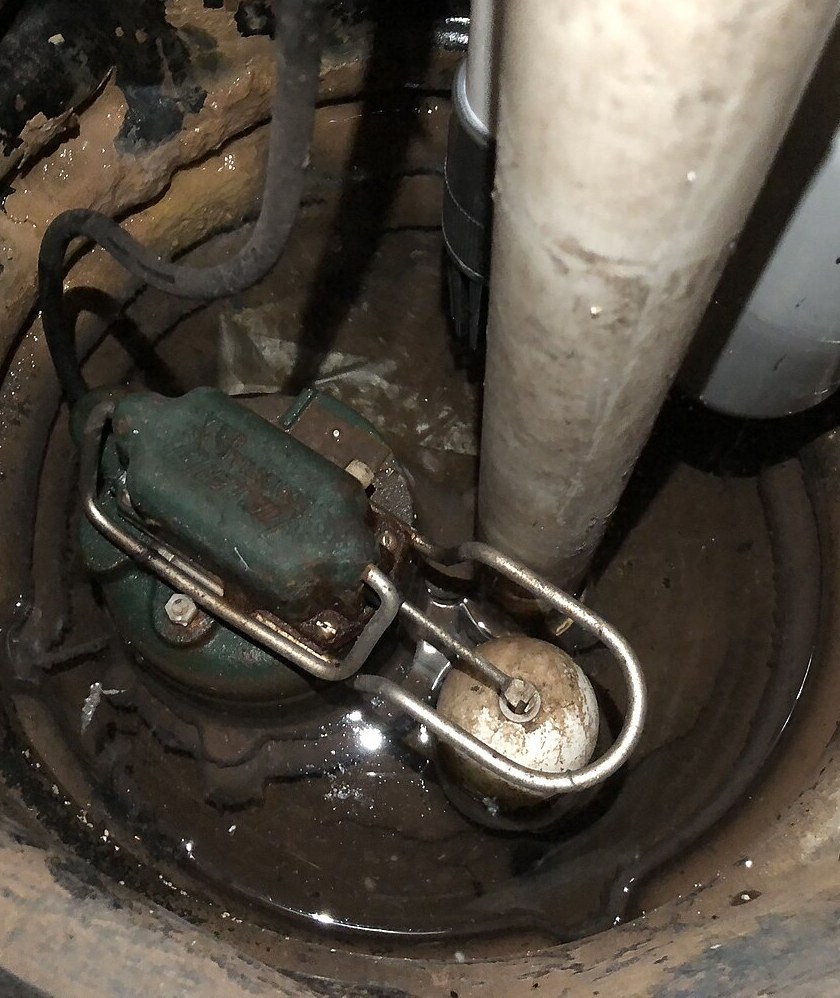
A sump pump solves the problem simply, because a pit collects groundwater and the pump ejects it before it reaches your floor. Therefore, the hardware is cheap insurance, whereas cleanup after a flood routinely runs five figures.
What Sump Pump Installation Costs in Portland in 2026
For a typical sump pump installation Portland job in 2026, expect roughly $800 to $2,500 total. However, the range widens with how much concrete must be opened and where the discharge line runs.
For example, a straightforward install in an unfinished basement with a nearby exterior wall lands near $900 to $1,400. In contrast, a finished basement or a long discharge run pushes toward $2,000 to $2,500, because crews must cut and patch concrete or trench farther outside. Moreover, the pump itself is a modest share of that total:
- Pedestal pumps run about $100 to $400, therefore they are budget-friendly but louder and shorter-lived.
- Submersible pumps cost $150 to $600, however they are quieter, hidden in the pit, and usually last 7 to 10 years.
- Battery backup systems add $300 to $900 installed, and in addition they matter here, because Portland windstorms knock out power exactly when water is rising.
Consequently, ask installers to quote the whole system, because a bargain pump in a badly cut pit fails just as fast as no pump at all. Furthermore, ENERGY STAR home water guidance reminds owners to pair the pump with gutters and grading; otherwise the pit simply works overtime.
Choosing the Right Pump for Your Home
Style matters, and so do the small specs. For example, match pump capacity (measured in gallons per minute) to your pit inflow, because an undersized pump will run continuously and burn out. In addition, choose a cast-iron housing over plastic if the budget allows, because metal dissipates motor heat and lasts longer. Moreover, a switch type is a real decision, therefore prefer a tethered or vertical float over a cheap diaphragm switch, because floats tolerate grit better.
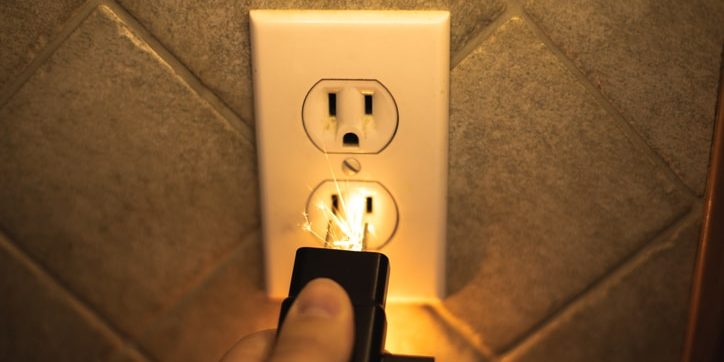
However, check the outlet setup too, because codes generally require a dedicated GFCI receptacle near the pit. Consequently, some installs need an electrician alongside the plumber, so ask whether GFCI work is included in the quote.
Permits, Discharge Rules, and Hiring Right in Portland
Most simple pit installs inside a basement need no city permit, however projects that alter drainage or connect to public systems can trigger one. Because rules change, confirm your job with the City of Portland Environmental Services before work starts. In addition, Portland rules generally prohibit discharging sump water into the sanitary sewer, so the line should lead to the storm system, a dry well, or a safe splash zone away from your foundation.
In contrast to hiring from a flyer, Oregon law requires a licensed contractor for most plumbing work, so verify any bidder with the Oregon CCB. For example, ask for the CCB number printed on the estimate itself, because unlicensed installers void warranties and can leave you liable for water damage. Moreover, demand proof of liability insurance in writing, and finally compare at least two quotes, because pit-cutting quality varies widely.
Also, check programs before paying: DSIRE Oregon incentives and federal flood-preparation guidance at Ready.gov explain rebate and insurance angles worth knowing.
Maintenance That Keeps the Pump Ready
A sump pump fails quietly, whereas a maintenance habit keeps it honest. For example, test the switch every spring and fall, because pouring a bucket of water into the pit should trigger the pump immediately. In addition, clear the intake screen of gravel and sediment yearly, and moreover check the discharge line for ice before Portland’s occasional December freezes. Consequently, replace the whole unit every 8 to 10 years even if it still runs, because motor wear shows up as slow pumping, not silence.
Frequently Asked Questions
How long does a sump pump installation take?
Usually 3 to 6 hours, because crews break a modest hole, set the pit and pump, and run the discharge line. However, finished basements take longer, so ask for a timeline in writing.
Do I need a battery backup in Portland?
Yes, in most cases, because winter storms cut power exactly when the pump matters. In addition, backups add little cost relative to one avoided flood.
Where should the discharge line go?
Away from the foundation to a storm drain, dry well, or grade that flows away from the house. However, never into the sanitary sewer, because that is prohibited.
Can I install a sump pump myself?
Technically, however cutting concrete pit-quality is easy to botch. Therefore, a licensed plumber is usually the better deal once mistakes are priced in.
If your basement corners darken every wet season, do not wait for the next atmospheric river. Contact ServaSquad for a free plumbing estimate in Portland and compare vetted local pros. In addition, browse our plumbing services across Oregon, because the right crew sizes the pit, pump, and discharge line together. Because water damage bills dwarf pump costs, schedule your sump pump installation before the winter rain arrives.