Eugene’s damp winters, pollen-heavy spring, and long heating season can leave homeowners wondering whether dusty vents mean their air ducts need cleaning. The answer is sometimes—but a dusty register alone is not proof that the whole system needs service. Because duct cleaning is often oversold, it helps to know what conditions justify it, what a careful visit should include, and which routine tasks matter more.
Air duct cleaning in Eugene, OR: when does it make sense?
The U.S. Environmental Protection Agency does not recommend routine air-duct cleaning for every home. However, cleaning may be reasonable when there is visible mold growth inside hard-surface ducts or on HVAC components, a pest or rodent infestation, or substantial dust and debris released into rooms from the registers. After a renovation, for example, construction dust may get into returns if the system ran during the work or openings were not protected.
First, look for evidence rather than relying on a salesperson’s claim. Remove a vent cover and use a flashlight to inspect just inside the duct; do not reach into the system or disturb suspected mold. A thin layer of household dust around a grille is common. In contrast, recurring debris that blows out, droppings, a musty odor tied to system operation, or damp insulation deserves a closer inspection by a qualified HVAC professional.
If you see suspected mold, ask the contractor to identify the moisture source before cleaning. Otherwise, the growth can return. The EPA also cautions that biocides and chemical sealants are not routinely recommended inside ducts, so request the product name, intended use, label directions, and safety information before approving any treatment. You can review the agency’s guidance on whether ducts should be cleaned.
What an Eugene duct-cleaning visit should include
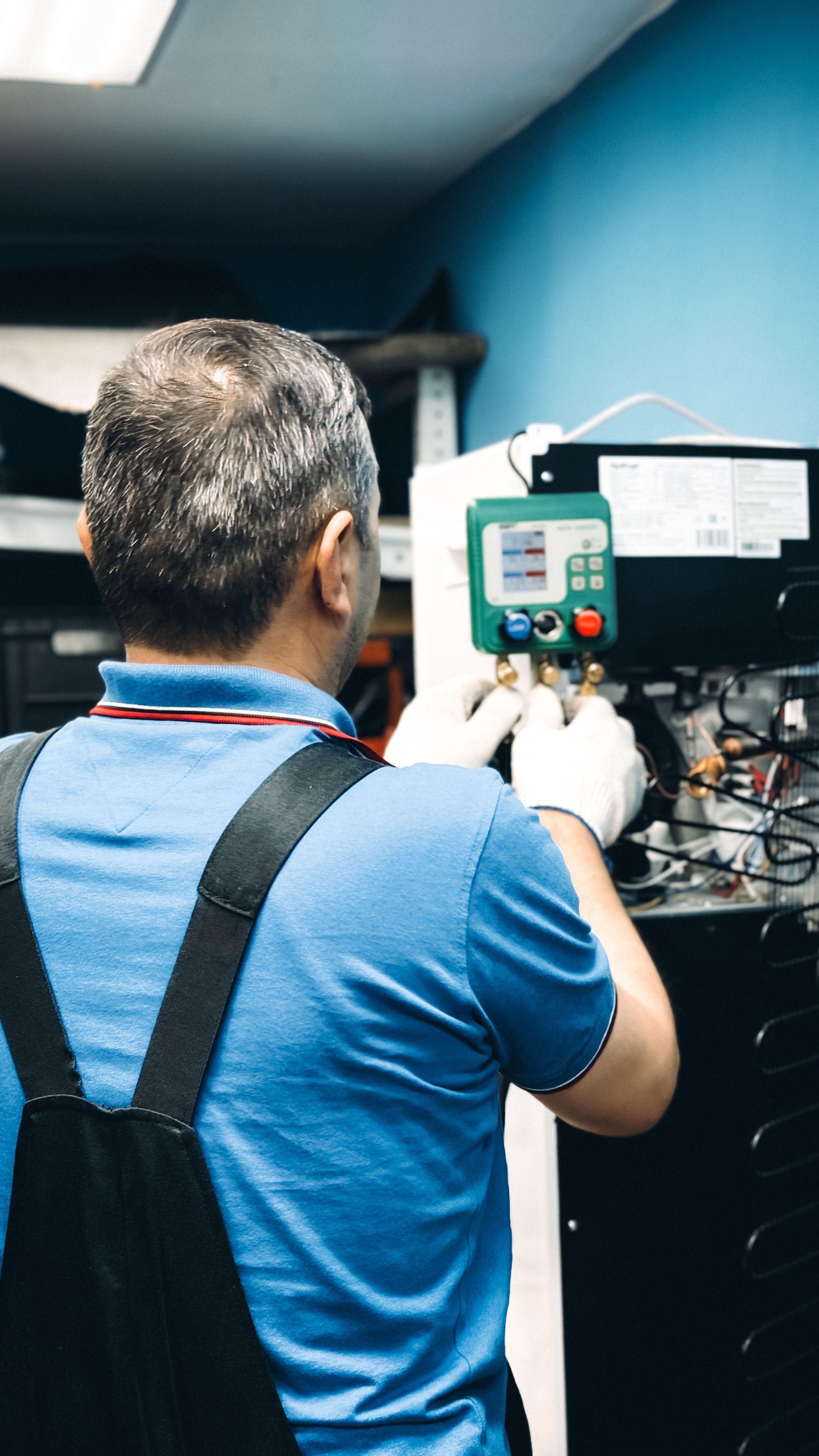
A professional visit should begin with questions about your symptoms, system age, recent work, and filter history. Next, the technician should inspect the HVAC equipment and accessible duct-work, explain what they found, and give you a written scope and price. Therefore, be cautious if someone recommends cleaning before inspecting the system or guarantees a dramatic health improvement.
When cleaning is justified, the crew should protect floors and furnishings, isolate the duct system, and use equipment that collects dust rather than scattering it indoors. Ask whether the estimate includes supply and return ducts, registers, grilles, the air handler cabinet, blower, and accessible coil surfaces. These are different areas; a low advertised price may cover only a limited portion of the system.
However, duct cleaning is not the same as a furnace tune-up, coil cleaning, dryer-vent cleaning, or duct sealing. Ask which service you are buying and which parts are excluded. In addition, confirm how the crew will access ducts, control debris, and close access panels afterward. If the job requires cutting access openings, the contractor should explain how they will be properly sealed.
What does air duct cleaning cost in Eugene?
Prices vary with home size, number of systems, duct layout, contamination, and access. Because companies price jobs differently, get at least two itemized estimates instead of comparing a coupon price with a full-system service. A useful estimate identifies the property and system, the reason cleaning is recommended, each included component, any add-ons, and the final total.
Be wary of high-pressure offers that start with an unusually low price and grow after the crew arrives. For example, a technician may claim that mold is present or that the system is dangerously dirty without showing clear evidence. Ask for photographs of the specific affected components and pause the job if the explanation changes. You can then request another inspection.
No contractor can promise that duct cleaning will cure allergies, asthma, or other health problems. Indoor air can be affected by many sources, including outdoor smoke, cooking, moisture, pets, and filtration. Therefore, focus on the actual condition of the ducts and the HVAC equipment, not broad health claims. The EPA’s indoor-air-quality guidance explains why source control and ventilation matter alongside filtration.
Choosing a duct-cleaning contractor in Eugene
Ask who will perform the work, whether the company carries liability insurance, and whether it has experience with your type of system. In Oregon, verify any required construction contractor license through the Oregon Construction Contractors Board; also check the business name on the estimate against the license record. A license check does not guarantee quality, but it helps you confirm the contractor’s registration and review available complaint information.
In addition, ask for references, a written scope, and a clear process for documenting the condition before and after service. If the work includes HVAC repairs beyond cleaning, ask who is qualified to perform them. Never let an unknown crew begin work based only on a phone quote or a door-to-door claim that your neighborhood has a contamination problem.
What to try before scheduling a cleaning
Replace or clean the HVAC filter according to the system and filter manufacturer’s instructions. A clogged filter can restrict airflow, while the wrong filter can also cause problems; therefore, confirm the correct size and type before buying a higher-rated model. ENERGY STAR provides a useful heating and cooling maintenance checklist, and the Department of Energy explains basic air-conditioner maintenance.
Keep supply registers and return grilles clear, vacuum visible dust around them, and use exhaust fans where moisture builds up. After remodeling, clean the work area and replace the filter if dust entered the system. For smoke events, follow local public-health guidance and use an appropriately sized portable air cleaner when recommended; duct cleaning does not remove particles already circulating in the home.
If airflow remains weak, rooms differ sharply in temperature, or odors persist, ask an HVAC technician to inspect the filter, blower, coil, condensate drain, and duct connections. Sometimes the issue is a blocked return, a dirty component, or a duct leak—not dust throughout the duct network. The Energy Trust of Oregon’s home energy resources can help homeowners explore efficiency improvements and available guidance.
Get a clear next step for your Eugene home
If you can see mold, signs of pests, or debris coming from vents, document what you see and request an inspection with a written scope. Otherwise, start with the filter, grilles, and basic HVAC maintenance before paying for whole-system cleaning. This measured approach can prevent unnecessary work while still addressing a real contamination problem.
ServaSquad connects Oregon homeowners with local home-service professionals. Explore HVAC service in Eugene to request help with an inspection, maintenance question, or duct concern. Describe the symptoms and ask the contractor to explain the evidence before approving additional work.