Heat Pump vs Furnace in Bend: 2026 Costs & Best Pick

Need fast, reliable service? We connect you with vetted local experts ready to tackle your project today.

Heat Pump vs Furnace in Bend: 2026 Costs & Best Pick project completed for a local customer

Heat Pump vs Furnace in Bend: 2026 Costs & Best Pick

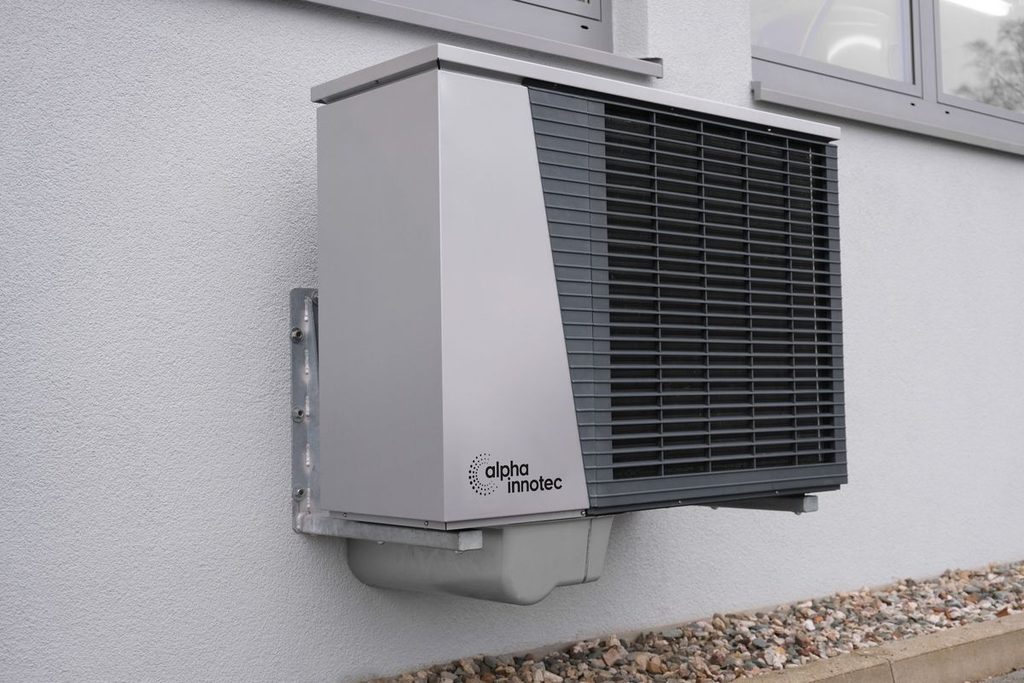
Heat pump vs Furnace Bend – outdoor heat pump unit on Bend home

Bend is the toughest HVAC market in Oregon. For example, winter nights drop to 15°F, however summer days can hit 90°F. In addition, high desert dust and expensive propane outside town make heating choices harder.

So should you install a cold-climate heat pump, a gas furnace, or both? Because the answer depends on costs, comfort, and fuel access, here is the 2026 breakdown for Bend.
Quick Answer for Bend Homeowners

  • Most Bend homes (natural gas available, 1,500-2,500 sq ft): Cold-climate heat pump + gas furnace backup (dual-fuel) is best long-term value because you get efficient heat plus backup for snaps.
  • All-electric or no gas: Cold-climate heat pump alone, rated to -10°F to -15°F.
  • Tight budget, plan to sell in 3-5 years: High-efficiency gas furnace alone, therefore lower upfront cost.
  • Out in Tumalo / Alfalfa / Three Rivers on propane: Heat pump to cut propane use by 60-70%, as a result saving $1,000+ per winter.

2026 Installed Cost in Bend, OR

Prices include permit, removal, new pad/disconnect, and thermostat:

  • Cold-climate heat pump (3-ton, 18-20 SEER2, HSPF2 9+): $8,500-$15,000
  • Gas furnace 96% AFUE single-stage: $4,500-$6,500
  • Gas furnace 97-98% modulating: $6,000-$8,500
  • Dual-fuel (heat pump + 96% furnace + controls): $12,000-$18,000
  • Electrical upgrade if needed (200A panel): +$2,000-$3,500

However, Bend runs 10-15% higher than Portland because of labor demand and travel to Sisters, Redmond, and La Pine.

Get a free connection to a vetted Bend HVAC pro — ServaSquad. Select HVAC + Bend.

Heat Pump vs Furnace Bend: Cold-Weather Performance

Old heat pumps quit at 35°F. In contrast, new cold-climate models (Mitsubishi Hyper-Heat, Daikin Fit, Carrier Infinity, Trane Resolute) keep 80-100% capacity down to 5°F, and run to -13°F. See ENERGY STAR cold-climate heat pump criteria and DOE guidance on heat pumps for cold climates.

Bend design temp is ~10°F. Therefore:

  • Above 30°F: heat pump COP 3.0-4.0 (300-400% efficient), so heating is very cheap
  • 15-30°F: COP 2.0-2.8, still cheaper than gas in most cases because electricity is stable
  • Below 10°F: COP 1.5-2.0, defrost cycles increase — consequently dual-fuel switches to gas

For example, if you work from home in Northwest Crossing and keep 70°F all day, a heat pump saves $600-$1,100/year vs electric baseboard or propane.

Furnace Pros and Cons in Bend

Pros:

  • Powerful hot air, therefore recovers fast after setback
  • Works in any cold with no defrost, however uses fuel
  • Lower upfront cost with simple maintenance

Cons:

  • Gas combustion needs venting and CO checks, in addition to annual service
  • Central Oregon gas rates and carbon fees are rising, as a result operating costs climb
  • No cooling — however you will still need AC for August smoke and 95°F days
  • Propane at $2.80-$3.40/gal outside city gas lines is brutal: consequently $2,500+/winter

Operating Cost Comparison: Real Bend Example

2,000 sq ft, built 2005, 68°F winter. Because fuel prices differ, annual costs vary:

  • Electric baseboard: ~$2,800/yr
  • Propane furnace: ~$2,400/yr
  • 80% gas furnace: ~$1,350/yr
  • 96% gas furnace: ~$1,100/yr
  • Cold-climate heat pump (Central Electric Co-op ~$0.13/kWh): ~$750-$950/yr
  • Dual-fuel optimized: ~$850/yr + AC included

Heat pump payback vs 96% furnace alone is 5-8 years with Energy Trust of Oregon incentives + federal 25C credit up to $2,000 if eligible. In addition, check DSIRE Oregon incentives for current programs.

What About Wildfire Smoke and Dust?

Bend’s August-September smoke clogs filters fast. Therefore filtration matters as much as heating.

  • Upgrade to 4″ media filter cabinet (MERV 13): +$350-$550. See EPA guidance on air filters for smoke and Oregon DEQ smoke resources
  • Keep spare filters, moreover change monthly during smoke because clogging happens quickly
  • Heat pump with variable-speed blower runs low continuous fan, consequently filtering air without cold drafts

Furnace-only with 1″ filter chokes quickly — for example during a week of smoke — so a full system with media filter is better.

Bend Permits and Rebates (2026)

  • City of Bend / Deschutes County mechanical permit: $150-$350, moreover contractor pulls it
  • Energy Trust of Oregon: $800-$2,000 for qualifying heat pumps, however must use a trade ally
  • Oregon CCB license required — verify at ccb.oregon.gov. In addition, learn how Manual J works per ACCA and furnace AFUE explained by DOE
  • HOAs in Tetherow and Broken Top often require low-noise units (<58 dB), therefore ask for a sound blanket

How to Choose a Bend HVAC Contractor

  1. Manual J load calculation — not rule-of-thumb, because sizing matters
  2. Lists model numbers, SEER2 / HSPF2 / AFUE in writing
  3. Includes line-set, pad, disconnect, thermostat, and permit
  4. Offers dual-fuel controls setup, moreover programs switchover temp
  5. 10-year parts + 2-year labor minimum

Red flags: phone quote with no visit, no permit, cash-only, or “heat pumps don’t work in Bend” — however that claim is 5 years outdated.

FAQ

Do heat pumps work in Bend winter?
Yes. Because cold-climate models are rated to -13°F, they handle Bend’s 5-10°F nights. Moreover dual-fuel covers extreme snaps.

How long does install take?
1 day for furnace swap. In contrast, heat pump or dual-fuel takes 2 days with electrical.

Should I keep my old furnace as backup?
If it’s <12 years and 90%+, yes — pair with a heat pump coil. However if 15+ years, replace together for warranty and efficiency.

What size do I need?
Most 1,800-2,400 sq ft Bend homes need 3-ton heat pump + 60-80k BTU furnace. However get a Manual J to confirm because high ceilings change it.

Get a Vetted Bend HVAC Pro

Don’t oversize, don’t undersize, and don’t overpay for propane another winter.

Request a free ServaSquad match — select HVAC, city Bend, and get same-day connection to a licensed, insured local pro.

Image: Use heat-pump-bend-oregon.jpg as WordPress Featured Image, alt text: “heat pump vs furnace Bend – outdoor heat pump unit” — logo-free, cropped.

Related Oregon homeowner guides: Best Handyman Services in Portland (2026) | Electrician Cost in Bend (2026) | Heat Pump vs Furnace in Bend (2026)

Why Use Our Contractor Network?

Vetted Professionals

Every contractor in our network meets strict state licensing requirements.

Priority Scheduling

The local pros we connect you with offer fast response times and priority scheduling.

Local Expertise

The independent pros in our network understand your specific local building codes and requirements.

Fast Connections

We route your request instantly to available contractors in your area so you can get started faster.

Frequently Asked Questions

How quickly can I get connected?
In most cases, we match you with an available professional within minutes during normal business hours. They will reach out to discuss your project right away.
Are the contractors vetted?
Yes! We strictly partner with verified local professionals who are fully licensed, bonded, and insured.
Do I have to commit to the pro you connect me with?
Absolutely not. Using our platform to find a contractor is 100% free and carries zero obligation. You decide if you want to hire them after speaking directly with the pro.

Contact a Local Pro

Fill out the form below to get matched instantly.

$

Electricians: When to Call Them for a Strange Burning Smell

Need fast, reliable service? We connect you with vetted local experts ready to tackle your project today.

Electricians: When to Call Them for a Strange Burning Smell project completed for a local customer

Electricians: When to Call Them for a Strange Burning Smell

Emergency Checklist: When to Call Vetted Local Electricians

Discovering an unfamiliar scent in your home can be deeply concerning. A distinct chemical odor is a major red flag that requires immediate help from professional electricians. Unlike a forgotten dinner in the oven, a household electrical odor typically smells like fish, burning plastic, or melting rubber. This specific scent indicates that wire insulation is actively melting or components are overheating behind your drywall. According to historical safety data from the National Fire Protection Association (NFPA), electrical failures remain a leading cause of residential fires. If you ignore these early warning signs, you risk localized power outages, appliance damage, or a severe house fire. Understanding the underlying cause can help you protect your investment. Here is exactly what an electrical burning odor means, how to safely isolate the problem, and why your home’s underlying infrastructure might be to blame.


Sparking Outlet.

Step-by-Step Protocol: When to Call Emergency Electricians

If a burning smell is actively spreading through a room, do not guess at the solution. Do not wait for the smell to dissipate on its own. Take these proactive steps immediately:

  1. Turn off the Power: If the scent comes from a specific appliance or wall outlet, safely unplug the device. You can also turn off the corresponding wall switch.
  2. Locate the Main Breaker: If the smell is widespread, navigate to your electrical panel. Flip the primary breaker to the “OFF” position. This entirely cuts the flow of power to your property.
  3. Check for Heat and Sparks: Carefully place the back of your hand near the suspicious outlet. If the plastic wall cover feels warm, or if you hear a faint buzzing sound, an active electrical arc is occurring.
  4. Evacuate if Necessary: If you see active smoke, glowing sparks, or open flames, evacuate your family from the building immediately. Dial 911 right away.
  5. Call a Professional: Once the immediate danger is gone, you need a certified technician to inspect the circuitry. Instead of wasting hours scrolling through unverified classified directories, you can request a fast connection to emergency electricians using the Servasquad Electrical Booking Portal.

Why Does My House Smell Like Burning Plastic?

When an electrical circuit malfunctions, it generates an immense amount of heat. The standard plastic or rubber insulation wrapping your copper wires handles normal operational temperatures well. However, when overloaded, that insulation begins to bake and melt. This releases toxic, acrid fumes into your living space.

The two most common catalysts for this odor include:

1. Dangerous Arc Faults

An arc fault occurs when electrical current accidentally leaps across an unintended gap. This happens between loose wire connections or through cracked insulation. Electrical arcs can easily exceed temperatures of 1,000°F. They quickly melt plastic outlet boxes and ignite the structural wood framing inside your walls. Local electricians can find these hidden gaps using specialized diagnostic tools.

2. Severely Overloaded Circuits

Plugging too many high-draw appliances into a single circuit forces the wires to carry too much current. This creates continuous resistance. It turns your household wiring into an unintentional heating element. If the load breaks structural components or surrounding drywall, it may require a whole-home assessment from a professional handyman service or licensed master electricians.


The Historic Risk: Outdated Wiring and Local Electricians

If your property was built before 1970—which is incredibly common in historic Pacific Northwest neighborhoods across Portland and Eugene—your recurring electrical smells might stem from outdated structural wiring systems. Two legacy configurations are notorious for creating chronic fire hazards in older homes:

  • Knob-and-Tube Systems: Popular from the 1880s through the 1940s, knob-and-tube layouts lack a modern ground wire. Over many decades, the organic cloth insulation degrades and flakes away. This leaves bare, live wires exposed inside your walls. Furthermore, if modern blown-in insulation covers the old wires, it traps heat and accelerates the melting process.
  • Solid-Conductor Aluminum Wiring: Used widely between 1965 and 1973 due to high copper prices, aluminum expands and contracts drastically when electricity flows through it. The U.S. Consumer Product Safety Commission (CPSC) reports that homes wired with aluminum branch circuits are up to 55 times more likely to have wire connections reach fire-hazard conditions than homes wired with copper. Experienced electricians must inspect these systems to prevent catastrophic failure.

The Insurance Connection: Meeting Strict Underwriting Rules

Weighing the physical dangers against your home’s equity highlights another massive barrier: homeowners insurance compliance. Due to rising risk data, modern insurance companies have established incredibly rigid homeowners insurance electrical requirements.

Many major insurance providers will outright deny coverage if an inspector uncovers ungrounded legacy circuits or a history of unaddressed electrical failures. Upgrading your system isn’t just about personal safety. It is a critical requirement for maintaining your property’s legal compliance, insurability, and overall market value. Certified electricians can provide the necessary documentation to satisfy your insurance adjuster.

For example, handling complex environmental upgrades or heavy mechanical alterations requires adherence to regional environmental standards, similar to how the U.S. Environmental Protection Agency (EPA) regulates high-draw home HVAC refrigerants. Your electrical components require identical code-enforced oversight.


Skip the DIY Risk and Hire a Vetted Professional

Troubleshooting complex household wiring issues without proper credentials is exceptionally dangerous. It can also void your homeowner’s insurance policy. Complete system remediation demands specialized equipment and meticulous code compliance. Whether you need to replace bad outlets, upgrade an overloaded breaker panel, or execute a comprehensive home rewire, the job requires expert hands.

When your safety is on the line, choose reliability. Homeowners can visit the main Electricians page to instantly match with licensed independent contractors who can diagnose household emergencies safely. If you have an active issue right now, skip the search bar. Submit an immediate request through the Servasquad Contact Page to link up with pre-vetted, licensed local electricians in your neighborhood today.

Related Oregon homeowner guides: Best Handyman Services in Portland (2026) | Electrician Cost in Bend (2026) | Heat Pump vs Furnace in Bend (2026)

Why Use Our Contractor Network?

Vetted Professionals

Every contractor in our network meets strict state licensing requirements.

Priority Scheduling

The local pros we connect you with offer fast response times and priority scheduling.

Local Expertise

The independent pros in our network understand your specific local building codes and requirements.

Fast Connections

We route your request instantly to available contractors in your area so you can get started faster.

Frequently Asked Questions

How quickly can I get connected?
In most cases, we match you with an available professional within minutes during normal business hours. They will reach out to discuss your project right away.
Are the contractors vetted?
Yes! We strictly partner with verified local professionals who are fully licensed, bonded, and insured.
Do I have to commit to the pro you connect me with?
Absolutely not. Using our platform to find a contractor is 100% free and carries zero obligation. You decide if you want to hire them after speaking directly with the pro.

Contact a Local Pro

Fill out the form below to get matched instantly.

$

How Much Does Drywall Repair Cost in Oregon? (2026 Patching & Matching Price Guide)

Need fast, reliable service? We connect you with vetted local experts ready to tackle your project today.

How Much Does Drywall Repair Cost in Oregon? (2026 Patching & Matching Price Guide) project completed for a local customer

How Much Does Drywall Repair Cost in Oregon? (2026 Patching & Matching Price Guide)

Drywall Repair Cost Guide for Oregon Homeowners

A moving mishap might leave a small puncture in your hallway. Alternatively, a hidden plumbing leak can turn your ceiling into a sagging mess. Either way, wall damage is a glaring problem that you cannot ignore. Therefore, your immediate next question is simple. How much will this fix cost?

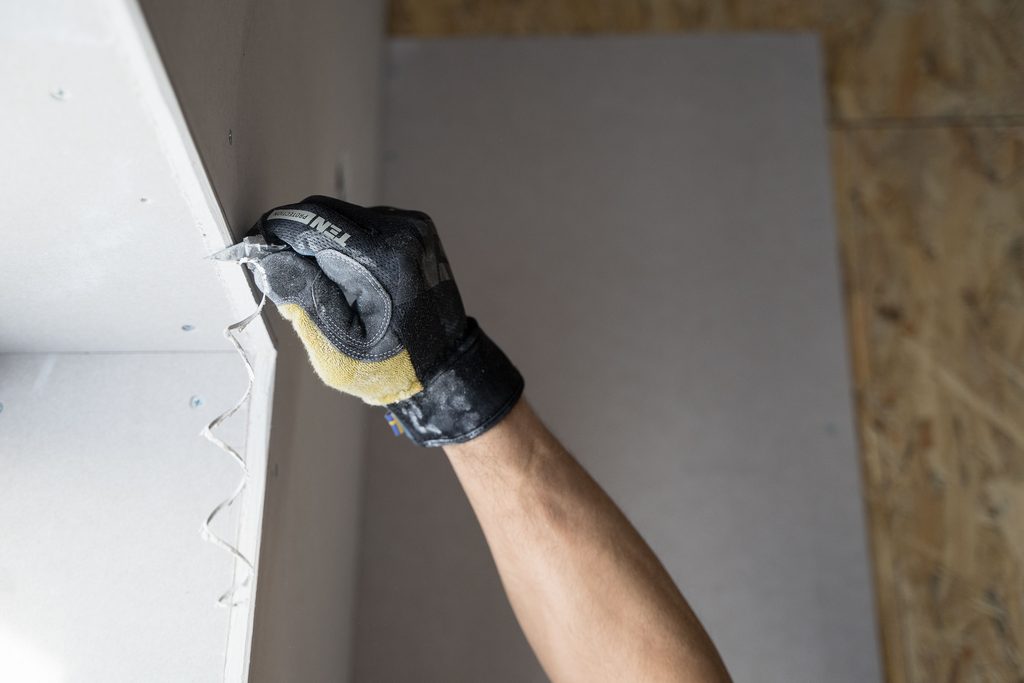
Arm reaching up working on drywall.

National home improvement blogs love to throw out broad, generic averages. However, true regional expenses depend heavily on local labor rates. Material availability also shifts pricing across the Pacific Northwest. In this guide, we break down what you will realistically pay for professional wall restoration.

The True Cost of Drywall Repair in Oregon

Most local homeowners spend between $150 and $850 for professional repairs. The ultimate price tag depends on the size of the hole. Furthermore, its location and your wall’s texture alter the final estimate.

Prices typically shake out by project size:

  • Small Patches (1 to 6 inches): $150 – $300. This covers door handle punctures or minor dents.
  • Medium Holes (1 to 3 feet): $300 – $600. This includes larger accidental impacts.
  • Large Sections (Full Sheets): $600 – $1,200+. This involves cutting out ruined panels.

Why Local Drywall Repair Labor Rates Vary

When a technician calculates your estimate, they evaluate total time and technique. Therefore, they are pricing out three primary regional realities.

1. The Multi-Step Finishing Process

Wall patching is rarely a single-visit job because joint compound requires hours to dry completely. A professional must sand the area smooth. Next, they apply a second coat. Finally, they prime the surface. This careful sequence requires multiple steps of expert craftsmanship. Because of this complexity, professional labor rates in major metros generally hover between $65 and $110 per hour.

2. Texture Matching Challenges

If your home features smooth walls, any patch must be perfectly flat. Otherwise, passing shadows will expose the repair. Conversely, many Pacific Northwest properties feature orange peel or knockdown patterns. A contractor must manually replicate that pattern using specialized sprayers. Because matching an existing texture is an art form, complex textures push your cost higher.

3. Hidden Pacific Northwest Moisture Factors

In our damp climate, underlying moisture must be completely mitigated before any physical patch is installed. Failing to dry out the interior wall cavity invites toxic mold growth. According to EPA guidelines on mold remediation from moisture damage, wet building materials must be dried within 24 to 48 hours to prevent fungal issues. Consequently, if a pro must deploy commercial air movers, mitigation adds to the base fee.

DIY vs. Professional Drywall Repair

It can be incredibly tempting to buy a mesh patch kit at the hardware store. For a tiny nail pop in a hidden closet, a DIY approach works perfectly fine.

However, prominent living spaces require a steady hand. Amateur attempts frequently result in lumpy seams and visible bulges. These mistakes often look worse than the original hole. Ultimately, hiring an experienced professional preserves your home’s long-term equity. You can learn more about standard building materials from the Gypsum Association manufacturing guidelines.

Get Flawless Results Without the Stress

You should not have to spend hours chasing unreturned voicemails just to find a reliable contractor. Fortunately, we make home maintenance completely effortless.

Our platform connects you with vetted, licensed local experts across the region. We specialize in seamless patching and reliable Handyman solutions. Skip the hassle of guessing your project numbers. Visit our Handyman service page today, submit your details, and get matched with a trusted expert right away.


Why Use Our Contractor Network?

Vetted Professionals

Every contractor in our network meets strict state licensing requirements.

Priority Scheduling

The local pros we connect you with offer fast response times and priority scheduling.

Local Expertise

The independent pros in our network understand your specific local building codes and requirements.

Fast Connections

We route your request instantly to available contractors in your area so you can get started faster.

Frequently Asked Questions

How quickly can I get connected?
In most cases, we match you with an available professional within minutes during normal business hours. They will reach out to discuss your project right away.
Are the contractors vetted?
Yes! We strictly partner with verified local professionals who are fully licensed, bonded, and insured.
Do I have to commit to the pro you connect me with?
Absolutely not. Using our platform to find a contractor is 100% free and carries zero obligation. You decide if you want to hire them after speaking directly with the pro.

Contact a Local Pro

Fill out the form below to get matched instantly.

$

Need Help?

Send our support team a message and we'll get right back to you.

$