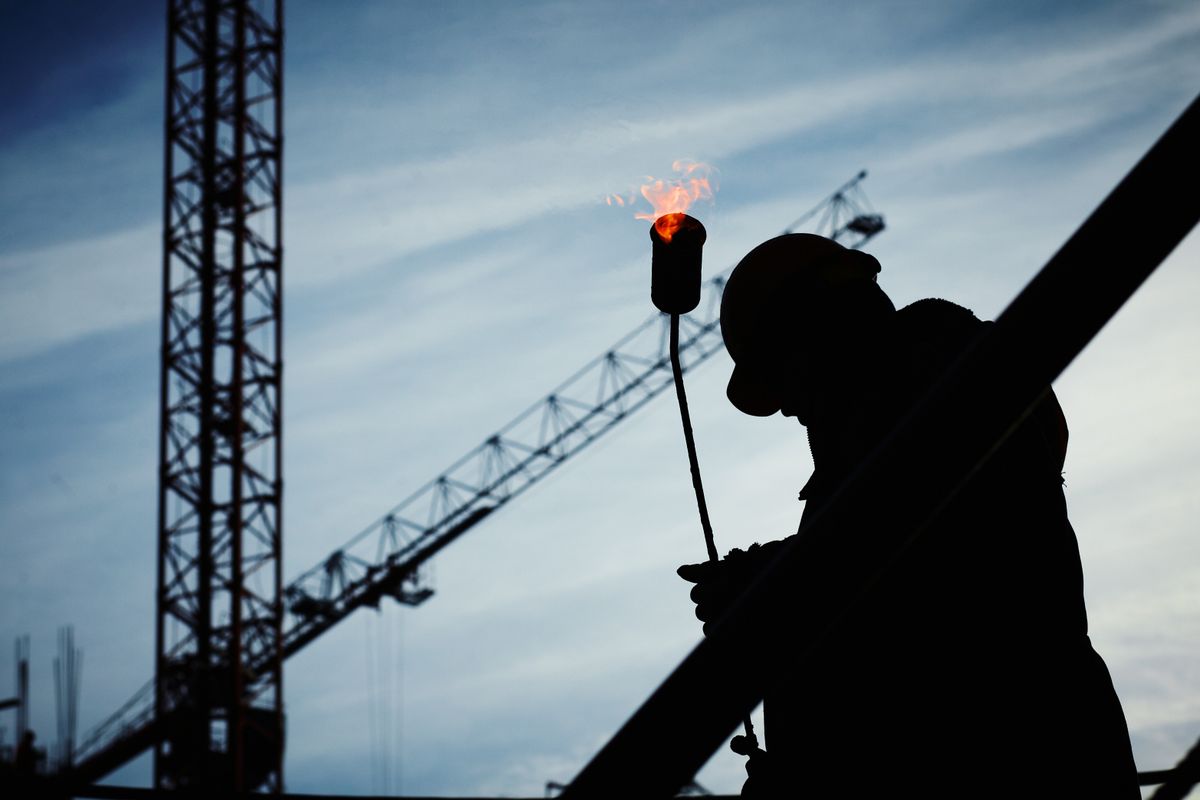
If you own a home with a flat or low-slope roof in Portland, you have probably heard of torch-down roofing. A torch down roofing Portland project uses rolls of modified bitumen that a roofer heat-welds with an open-flame torch, because the melted seams form one watertight skin. However, torch-down is not right for every roof, because it demands a licensed installer, the right deck, and Portland permits.
So should you repair your flat roof, replace it with torch-down, or pick another membrane? Because the answer depends on costs, deck condition, and permits, here is the 2026 breakdown for Portland homeowners.
Torch Down Roofing Portland: How It Works
Torch-down roofing, also called modified bitumen, starts as asphalt rolls reinforced with polyester or fiberglass. For example, a typical Portland garage or flat-roof addition gets a base sheet plus a mineral-surfaced cap sheet. Therefore, the finished roof is two layers thick, and in addition the torch-melted laps fuse into seams that resist standing water. In contrast, peel-and-stick membranes rely on adhesive alone, so torch-down generally holds up better on dead-flat decks. Learn membrane basics from the National Roofing Contractors Association and cool-roof performance data from the U.S. Department of Energy.
What Torch-Down Costs in Portland in 2026
For a torch down roofing Portland job in 2026, expect roughly $6 to $11 per square foot installed. As a result, a 1,000-square-foot flat garage roof usually runs $6,000 to $11,000. However, the price moves with tear-off, deck repairs, insulation upgrades, and access. For example, a clean overlay on a sound deck lands near the low end, because labor stays simple. In contrast, a full tear-off with rotted plywood replacement climbs fast, because deck work adds both material and disposal cost. Moreover, Portland’s rainy season compresses the schedule, so fall bookings can carry a premium. Consequently, get at least three written bids. Check the official ENERGY STAR roof products list, because reflective cap sheets can trim summer heat gain. In addition, Energy Trust of Oregon lists insulation incentives that pair well with a re-roof.
Repair vs Replacement: How to Decide
Small torch-down problems are very repairable. For example, blisters under two inches, cracked flashing, and minor seam lifts can be re-torched or patched. Therefore, a repair in the $400 to $1,200 range often buys several more years. However, replacement is smarter when granule loss is widespread, because UV exposure then cooks the whole membrane. In addition, repeated ponding that lasts more than 48 hours signals a slope problem, so patching alone will fail again. Moreover, if your roof already has two layers, code usually requires a tear-off, and consequently the math favors doing the full job once. A licensed roofer should core-test or scan the deck before quoting, because guesswork wastes money either way.
Permits, Code, and Hiring Right in Portland
Portland requires roofing permits for most replacements, however repairs under a set size may be exempt. Because rules change, confirm your job with the City of Portland Bureau of Development Services before work starts. In addition, Oregon law requires a licensed contractor, so verify any bidder with the Oregon CCB. For example, ask for the CCB number on the bid itself, because unlicensed torch work voids warranties and risks fire. Moreover, demand proof of liability insurance and a manufacturer-backed warranty in writing. Finally, check DSIRE Oregon incentives for any energy-related rebates tied to insulation or reflective roofing.
Maintenance That Doubles Roof Life
Torch-down is low-maintenance, however Portland moss and debris still punish neglected roofs. For example, clear leaves and needles each fall, because clogged scuppers cause the ponding that kills flat roofs. In addition, schedule a professional inspection every two to three years, so small seam issues get re-torched early. Moreover, never let anyone pressure-wash the membrane, because blasting strips the protective granules. Consequently, gentle treatment plus zinc strips for moss will stretch a 15-year roof toward 20 years or more.
Torch-Down Warranties and Insurance in Portland
Ask what the warranty actually covers before you sign, because material and workmanship warranties are separate. For example, a manufacturer may cover the membrane for 15 years while the installer covers labor for only two. Therefore, get both promises in writing. In addition, confirm your homeowner’s insurance treats a torch-down replacement as storm-hardening, because some carriers note newer flat roofs favorably. Moreover, keep the final invoice, permit card, and warranty certificates together, so a future claim or home sale goes smoothly. Consequently, ten minutes of paperwork today prevents disputes later.
Frequently Asked Questions
How long does torch-down roofing last in Portland?
About 15 to 20 years here. However, shaded, moss-prone roofs trend shorter, because constant dampness wears seams faster.
Can torch-down go over my old roof?
Sometimes, for example over one sound smooth layer. In addition, code caps total layers, so ask your contractor to verify deck condition first.
Is torch-down safe?
Yes when a licensed pro installs it, because they carry fire watches and extinguishers. However, it is never a DIY job, so hire a CCB-licensed roofer.
What does a repair cost?
Most Portland torch-down repairs run $400 to $1,200. Therefore, anything much higher deserves a second bid, because replacement may be closer than you think.
Get a Licensed Portland Roofer
If your flat roof is blistering, ponding, or past 15 years, do not wait for the next atmospheric river. Contact ServaSquad for a free roofing estimate in Portland and compare vetted local pros. In addition, browse our roofing services across Oregon, because the right crew makes a torch-down roof last decades.